
Quick Answer: Lip filler swelling typically peaks within 24–72 hours after treatment and improves gradually over 7–14 days. Most patients see their final results between day 10 and day 14, once all swelling has fully settled.
Planning a treatment? Compare prices in our lip filler cost guide before you book.
Swelling after lip filler is completely normal and expected — it is a natural part of the healing process, not a sign that something went wrong. Understanding what to expect at each stage helps you avoid unnecessary worry during the first few days and set realistic expectations about when your final result will be visible.
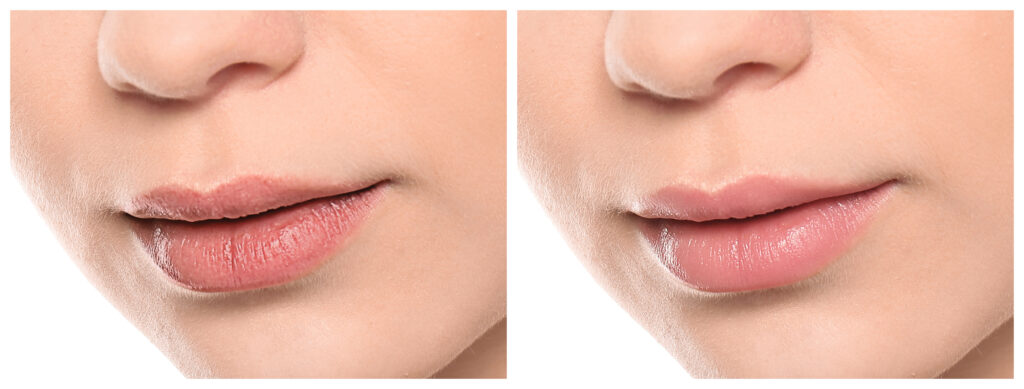
Lip Filler Healing Process Day by Day
The lip filler healing process follows a predictable pattern that most patients experience in a similar sequence, though the intensity and exact timing can vary based on the filler type, injection technique, and individual healing response. Knowing what is normal at each stage helps you stay calm during the more uncomfortable early days and know when results are actually ready to be evaluated.
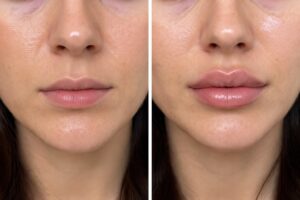
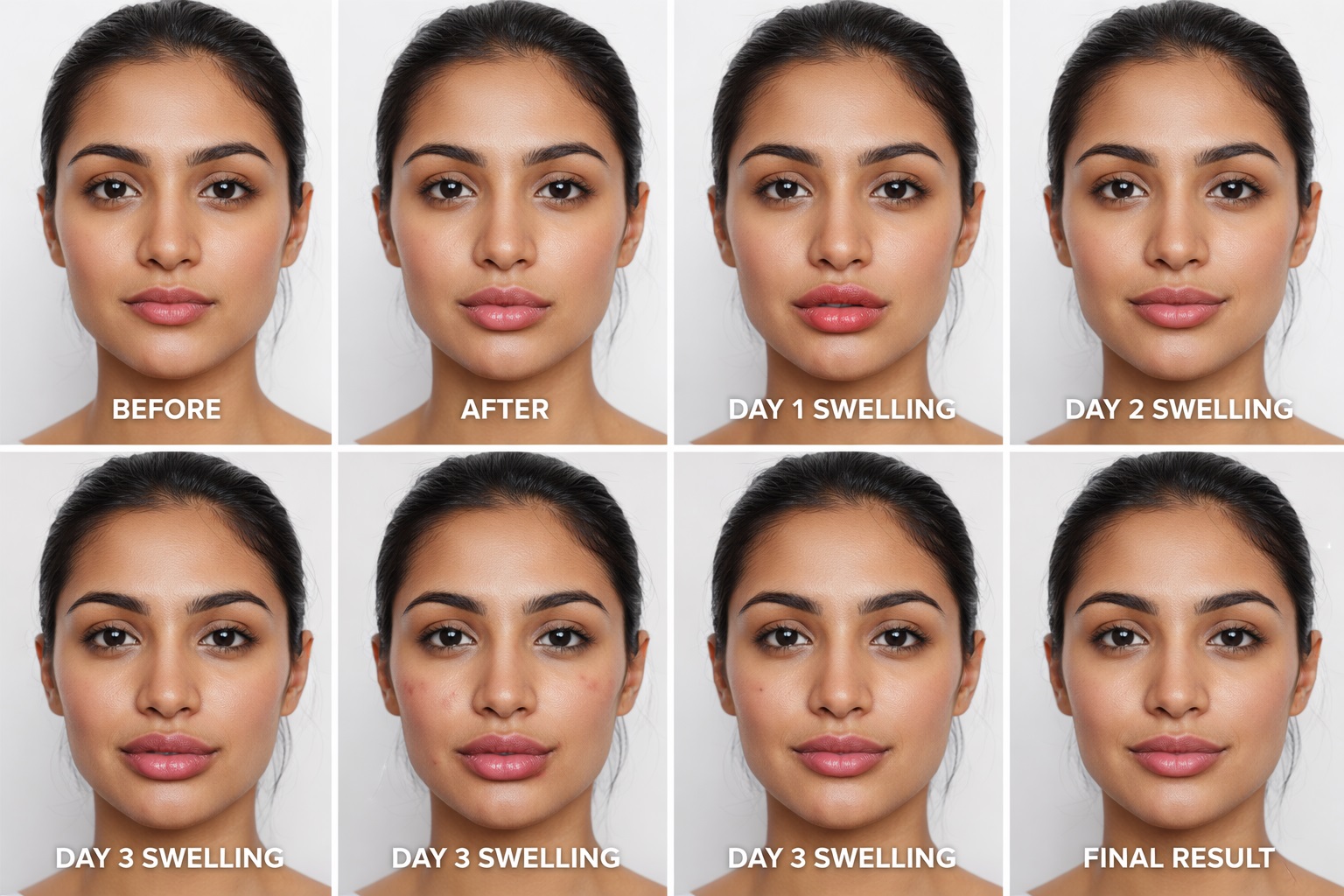
During the first 48 hours, lips typically feel firm, swollen, and slightly tender. By day 3 to 5, swelling begins to reduce and the lips start softening. Around day 7, most visible swelling has resolved, and by day 10 to 14 the filler has fully integrated and the final shape is clearly visible. This two-week window is when before and after photos should be taken for the most accurate comparison.
Lip Filler Swelling Stages: Day-by-Day Timeline
Day 0 — Procedure Day
Immediately after lip filler injections, swelling and mild discomfort begin as the body responds to the injection trauma. The lips may appear uneven or noticeably larger than expected — this is normal inflammation, not the final result. Most patients also experience some redness and sensitivity around the injection points during the first few hours.
Day 1–2 — Peak Swelling
Swelling reaches its highest point during the first 24 to 72 hours. The lips can feel firm, look significantly larger than intended, and may show some bruising or unevenness. This is the stage that concerns most patients the most — but it is completely temporary and does not reflect the final outcome. Applying a cold compress gently during this period can help reduce inflammation.
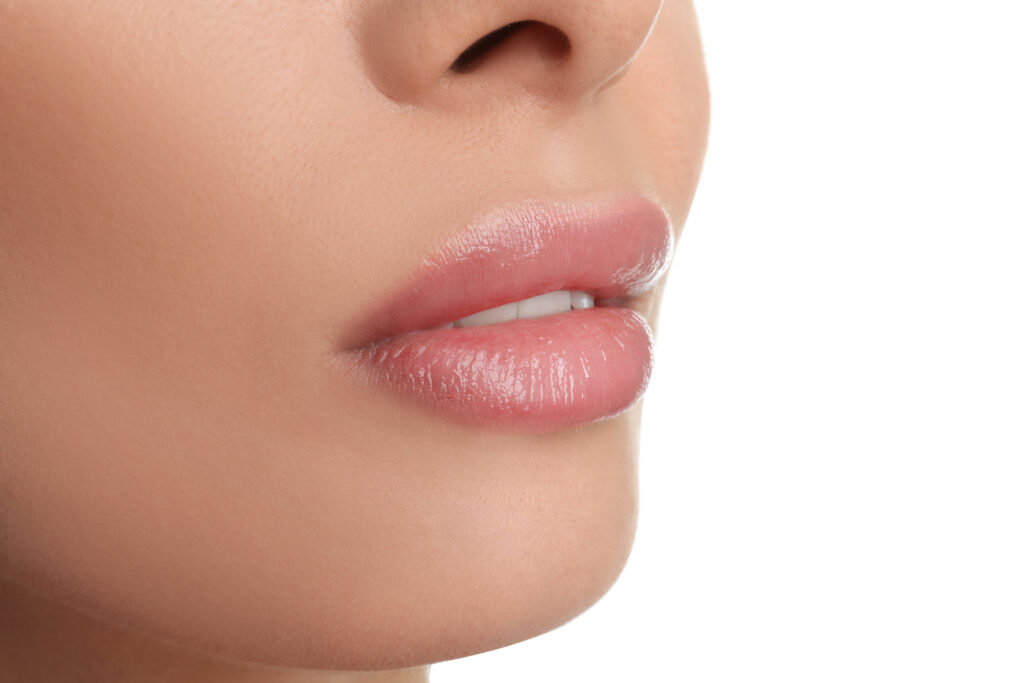
Day 3–4 — Swelling Starts to Reduce
By day 3 to 4, inflammation begins to decrease noticeably. The lips start to look more proportionate and natural, though some firmness and mild asymmetry may still be present as the filler continues to settle. Bruising, if present, usually starts fading around this time. Most patients begin to feel more comfortable with how their lips look from day 4 onward.
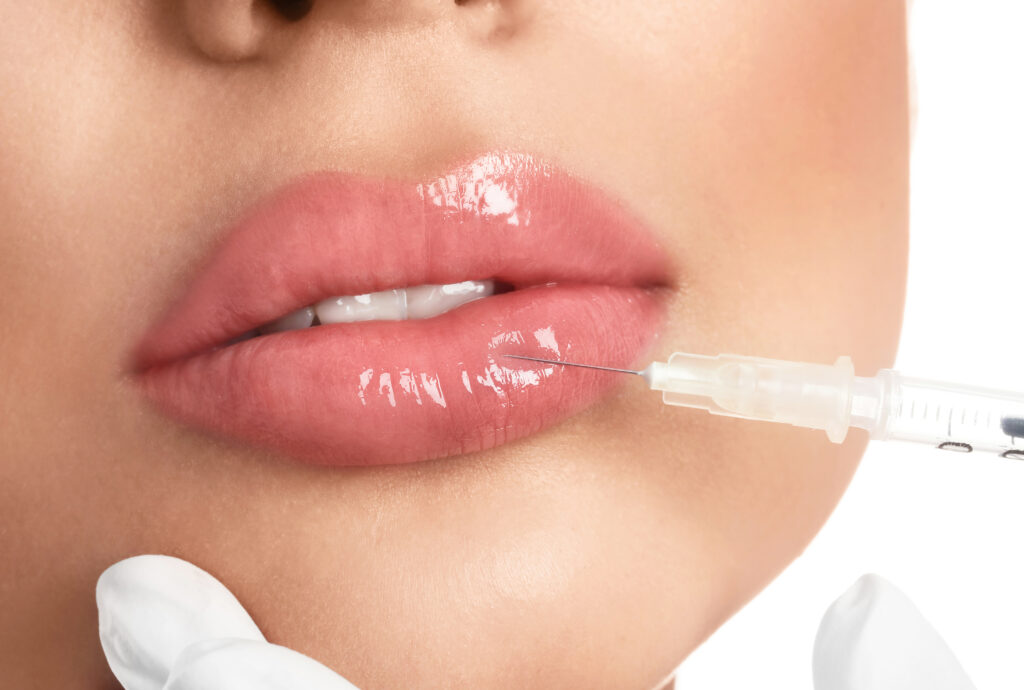
Day 5–7 — Healing Phase
Most visible swelling subsides by the end of the first week. The lips become noticeably softer, smoother, and more balanced in shape. The filler is integrating with the surrounding tissue, which is why the texture begins to feel more natural and less stiff. Many patients are happy with how their lips look from day 7 onward, though the process is not quite complete.
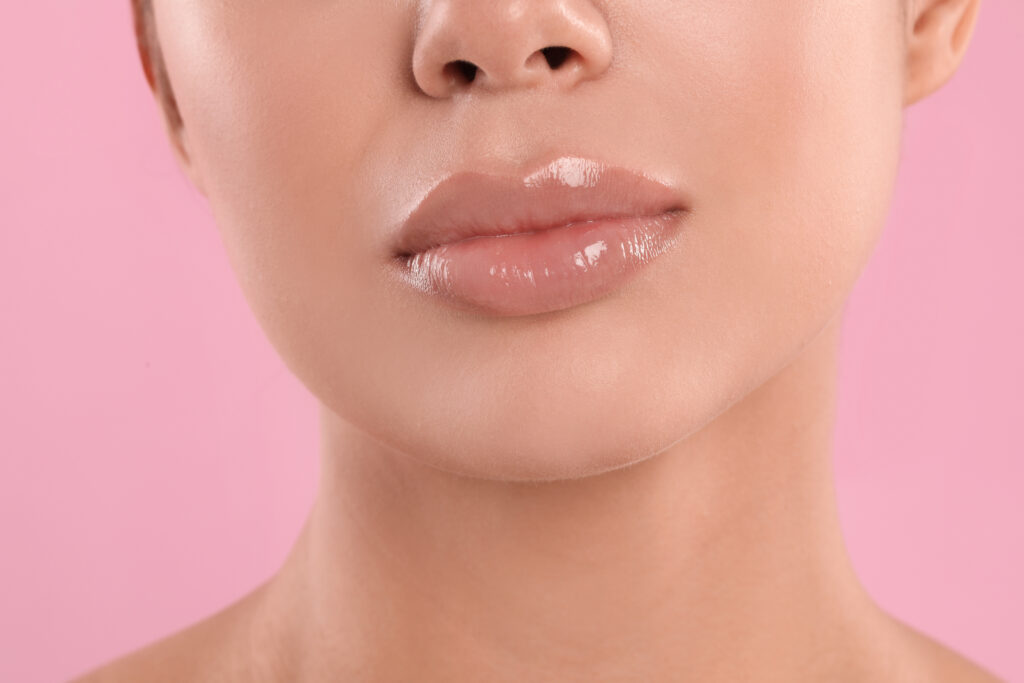
Day 10–14 — Final Results
By day 10 to 14, the lips have settled into their final shape. Any remaining minor swelling has resolved, and the filler has fully integrated with the lip tissue. This is the stage at which the true result of the treatment becomes visible — and when patients should take their after photos if comparing to pre-treatment images. If anything still seems uneven or unsatisfactory at this point, it is worth contacting your injector for a follow-up assessment.
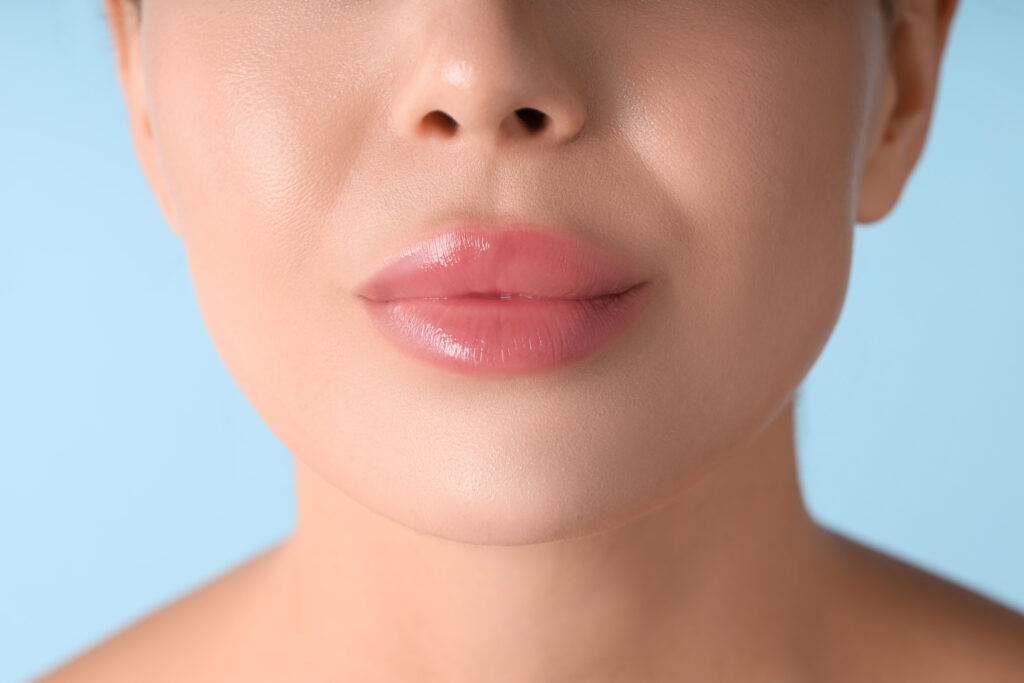
How Long Does Lip Filler Swelling Last?
Most lip filler swelling resolves within 3 to 7 days, with the lips fully settled by 2 weeks. However, the exact duration varies from person to person and depends on several factors including injection technique, filler type, the amount injected, and how the individual’s body responds to treatment.
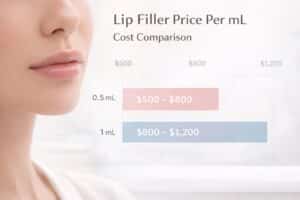
Patients who receive larger volumes (1 ml or more) typically experience more swelling and a slightly longer recovery than those who receive smaller amounts (0.5 ml). First-time lip filler patients often swell more than those maintaining an existing result, because the tissue has not previously been treated. Premium fillers like Juvederm and Restylane that contain lidocaine can reduce discomfort during the procedure, but do not significantly change swelling duration.
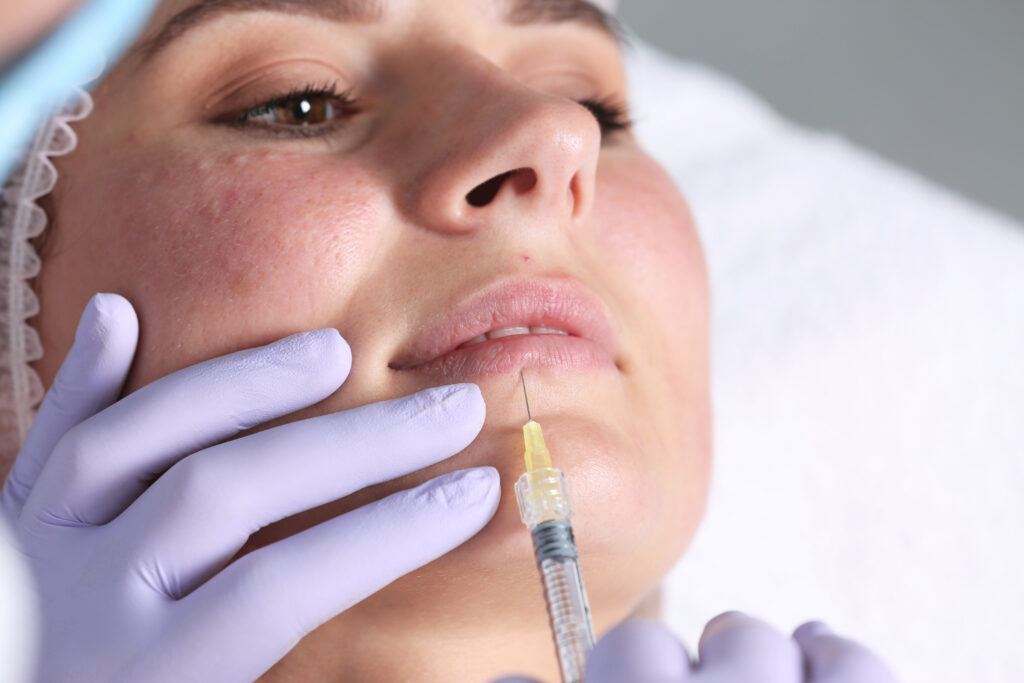
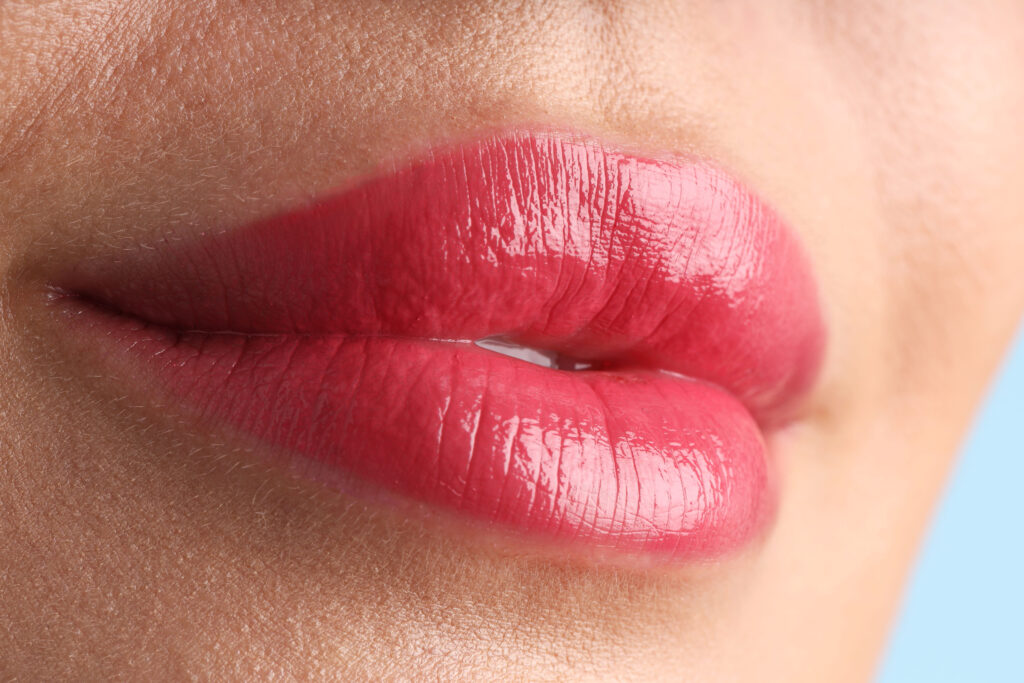
What Affects Lip Filler Swelling?
Several factors influence how much swelling you experience and how long it lasts. Understanding these helps you manage expectations and take steps to support faster recovery.
Volume of Filler Used
Larger amounts of filler cause more trauma to the tissue and typically result in more significant swelling. A 1 ml treatment will almost always produce more visible swelling than a 0.5 ml treatment, though both should settle within the same general timeframe.
Injection Technique
An experienced injector using precise placement and the right needle or cannula will generally cause less tissue trauma than a less skilled provider — resulting in less swelling and bruising. The number of injection points also affects recovery; fewer, more strategically placed injections tend to heal more smoothly than many small punctures.
Individual Healing Response
Some people simply swell more than others regardless of technique or volume. Patients who bruise easily, have sensitive skin, or are prone to inflammation may experience a longer or more intense swelling phase. This is not a problem with the treatment — it is just individual variation in healing response.
Aftercare Compliance
Following aftercare instructions properly makes a meaningful difference to swelling duration. Alcohol consumption in the 24 hours before or after treatment significantly increases bruising and swelling. Salty foods, intense exercise, and heat exposure (saunas, hot yoga) in the first 48 hours can also prolong the inflammatory response.
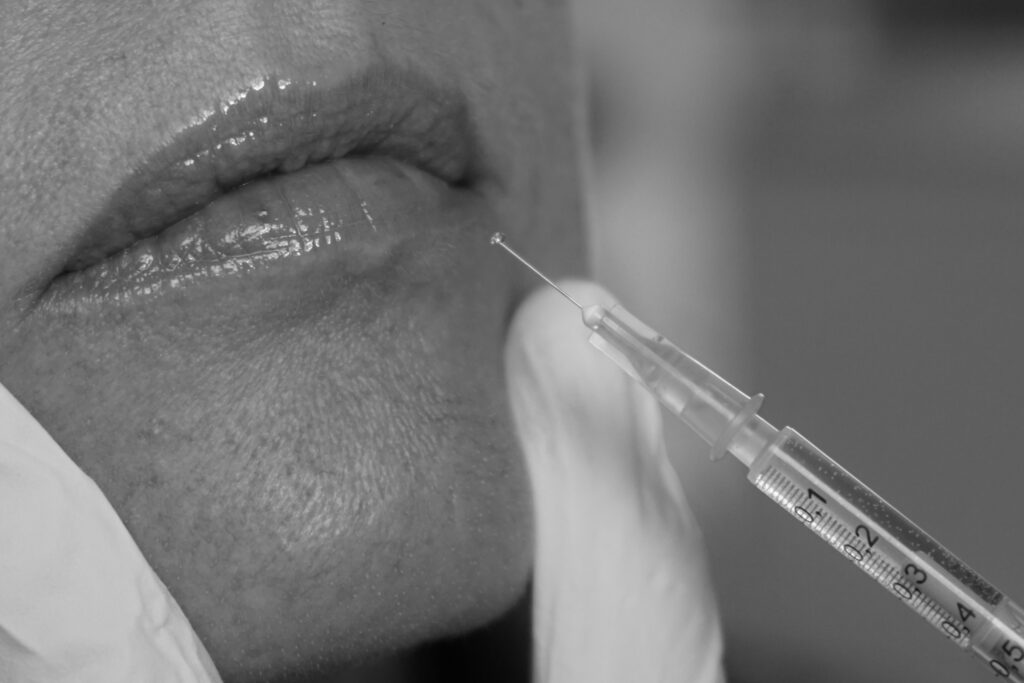
Tips to Reduce Lip Filler Swelling
While some swelling is inevitable after lip filler, the following steps can help minimise its intensity and support faster recovery:
- Apply a gentle cold compress to the lips during the first 24 hours — avoid direct ice contact, use a cloth barrier
- Avoid alcohol for at least 24 hours before and after treatment
- Sleep with your head slightly elevated for the first two nights to reduce fluid pooling
- Stay well hydrated — hyaluronic acid fillers attract water, and good hydration supports even integration
- Avoid salty foods, spicy foods, and excessive heat sources (saunas, hot showers, direct sun) for 48 hours
- Do not massage or press on the lips unless your injector specifically instructs you to
- Avoid strenuous exercise for 24–48 hours as increased heart rate and blood flow can worsen swelling
When to Worry About Lip Filler Swelling
While swelling after lip fillers is completely normal, there are signs that may indicate a problem requiring professional attention. Typical post-treatment swelling gradually improves over the first week and is fully resolved by two weeks. If swelling is getting significantly worse after day 3, is accompanied by increasing pain rather than decreasing pain, shows signs of infection (warmth, redness spreading beyond the lip area, discharge), or does not improve at all after two weeks, contact your injector or a medical professional promptly.
A rare but serious complication called vascular occlusion — where filler inadvertently enters a blood vessel — typically presents as blanching (white patches), severe pain, or skin discolouration immediately or shortly after injection, not days later. If you experience these symptoms, seek medical attention immediately rather than waiting to see if they resolve.
Lip Filler Swelling vs Final Results
One of the most common concerns patients have after lip filler is that their lips look too big, uneven, or unnatural during the first few days. In almost all cases, this is simply swelling — not the final result. The lips will appear significantly larger at day 1 to 2 than they will at day 14, and any asymmetry during the swelling phase usually resolves on its own as healing progresses.
The golden rule is to wait a full 10 to 14 days before evaluating the outcome or raising concerns with your injector. Photographs taken at day 2 or 3 should never be used to judge the final result — they represent peak swelling, not what your lips will look like long-term.
Final Thoughts on Lip Filler Swelling Stages
Lip filler swelling is a normal, temporary part of the healing process. Peaks within 24 to 72 hours, improves significantly by day 5 to 7, and fully resolves by day 10 to 14. Following aftercare instructions, choosing an experienced injector, and having realistic expectations about the healing timeline are the three most important factors in having a smooth recovery and a result you are happy with.
For more information on lip filler treatments, costs, and what to expect, visit our full lip filler cost guide or browse our lip filler before and after gallery.
Medical Disclaimer
This content is for informational and educational purposes only and does not replace professional medical advice. Always consult a licensed medical provider before receiving lip filler or any cosmetic injectable treatment.
References
- U.S. Food and Drug Administration: Dermal Fillers and Soft Tissue Fillers
- American Academy of Dermatology
How long does lip filler swelling last?
Lip filler swelling typically lasts between 3 and 7 days for most of the visible puffiness, with full healing and final results visible by day 10 to 14.
Does lip filler swelling get worse before it gets better?
Yes. Swelling usually peaks within the first 24 to 72 hours before gradually improving. Day 1 and 2 are typically the most uncomfortable, with noticeable improvement from day 3 onward.
Is uneven swelling after lip filler normal?
Yes. Temporary asymmetry during the swelling phase is very common and almost always resolves on its own as healing progresses. The two sides of the face rarely swell identically.
When should I worry about lip filler swelling?
Contact your injector if swelling is increasing after day 3, is accompanied by worsening pain, shows signs of infection, or has not improved at all after two weeks. Seek immediate medical attention if you notice blanching, severe pain, or skin discolouration shortly after treatment.
Does 1ml lip filler swell more than 0.5ml?
Yes. Larger volumes cause more tissue trauma and typically result in more visible swelling. A 1 ml treatment will generally produce more swelling than a 0.5 ml treatment, though both should fully settle within the same two-week timeframe.
When can I see my final lip filler results?
Final lip filler results are visible between day 10 and day 14, once all swelling has fully resolved and the filler has integrated with the surrounding tissue. Photos taken before this point do not accurately represent the final outcome.
What helps lip filler swelling go down faster?
Applying a cold compress gently in the first 24 hours, avoiding alcohol and salty foods, sleeping with the head elevated, staying hydrated, and avoiding heat and exercise for 48 hours can all help reduce swelling duration.