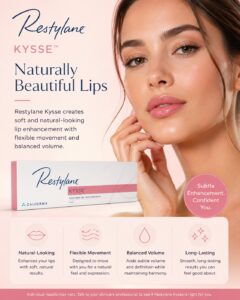

Quick Answer: Restylane lip filler cost typically ranges from $500 to $1,200 per syringe in the United States, with most patients paying $600 to $900 for a standard 1 ml treatment. Restylane Kysse — the most popular formula for lips — usually costs $600 to $1,000 per syringe.
Restylane is one of the most widely used hyaluronic acid lip fillers in the world, and understanding its cost before booking a consultation can help you plan your budget and avoid surprises. This guide covers Restylane pricing per syringe, how Kysse compares to other formulas, what drives the total cost up or down, and how Restylane stacks up against Juvederm.
How Much Does Restylane Lip Filler Cost Per Syringe?
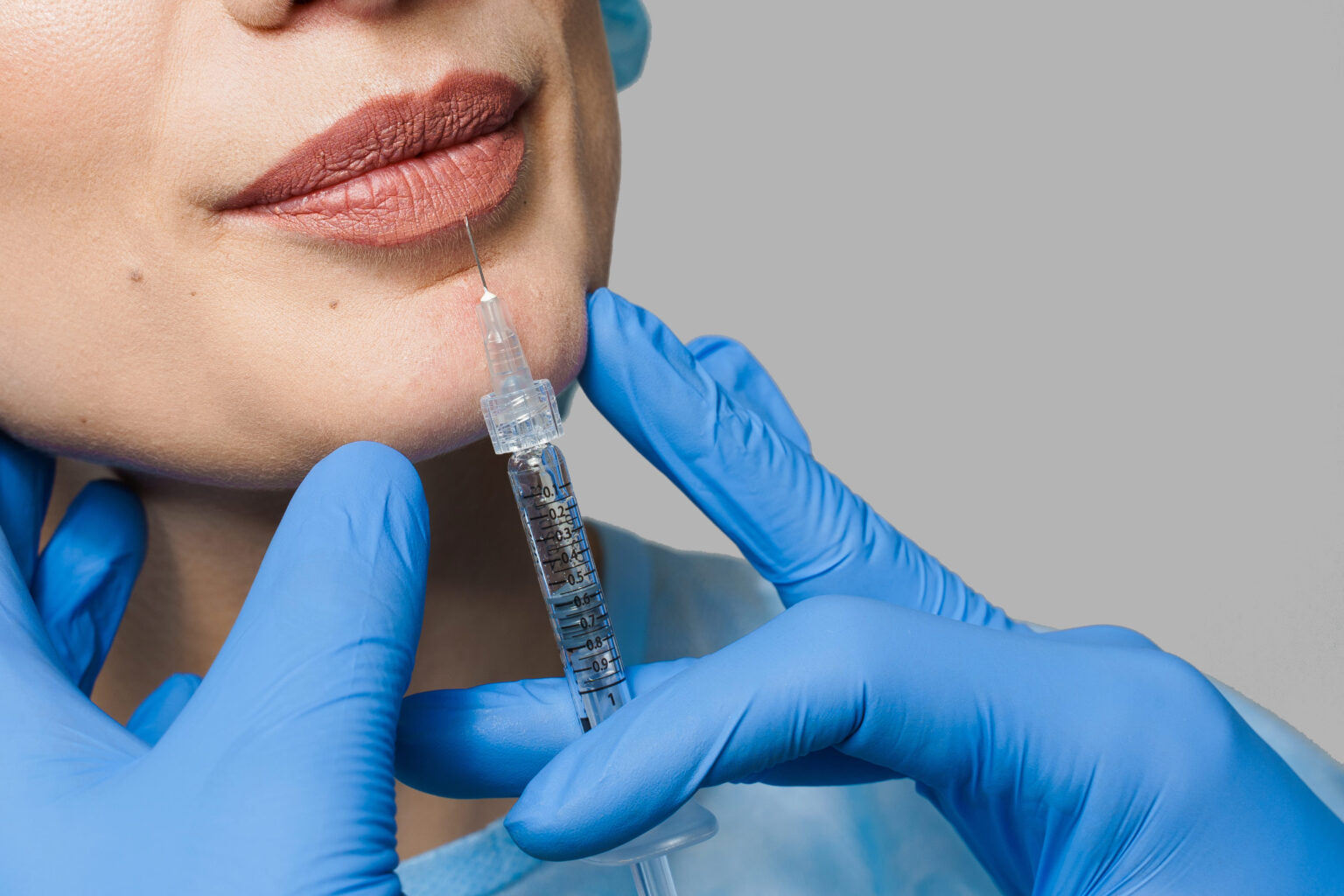
Restylane lip filler cost is typically charged per syringe, and most clinics in the United States price a single syringe between $500 and $1,200. The exact figure depends on which Restylane formula is used, the injector’s experience, the clinic’s location, and whether additional fees apply for consultation or aftercare.
For most first-time patients, one syringe is enough to achieve a noticeable but natural-looking result. Patients who want fuller lips, more defined borders, or significant volume correction may need two syringes, sometimes split across two appointments rather than placed all at once.
- Average cost: $600 – $900 per syringe
- Full price range: $500 – $1,200 per syringe
- Typical amount used: 1 ml
- Two-syringe total: $1,000 – $2,400
Restylane Kysse Cost
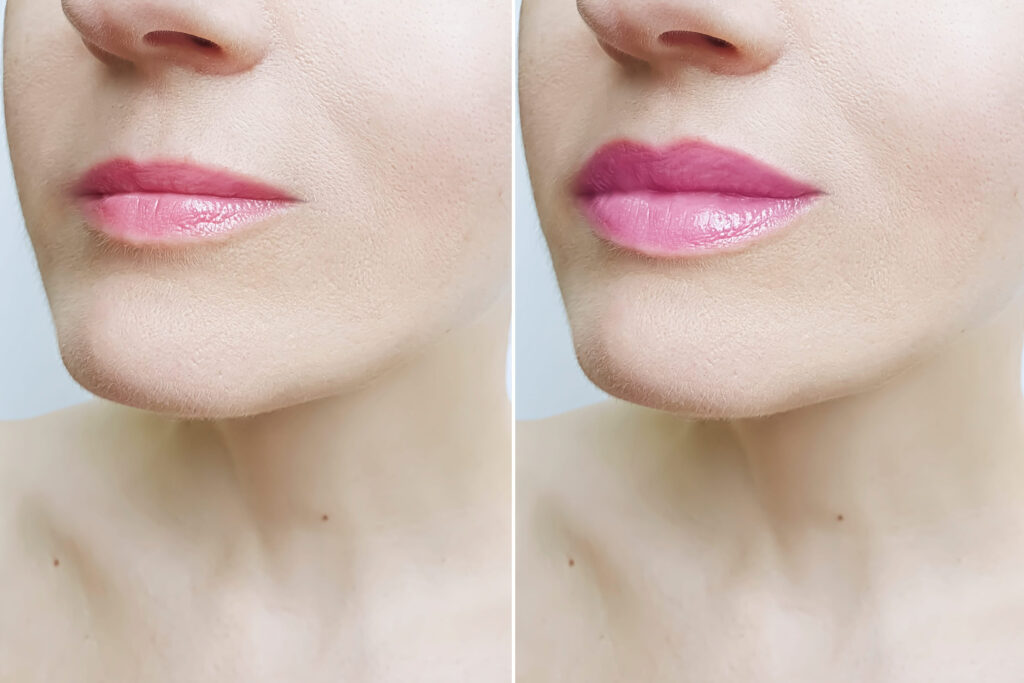
Restylane Kysse is the most frequently requested Restylane formula for lip enhancement, and its pricing reflects that popularity. A single syringe of Restylane Kysse typically costs between $600 and $1,000, placing it at the mid-to-upper end of the Restylane price range.
Kysse uses XpresHAn Technology, which allows the gel to move more flexibly than traditional hyaluronic acid fillers. This means the lips look and feel natural during smiling, speaking, and other facial expressions — which is why patients specifically searching for Restylane Kysse price or Restylane Kysse lip filler cost are often looking for the most natural possible outcome rather than dramatic volume. For a full breakdown of this formula, see our dedicated Restylane Kysse cost guide.
Restylane Types and Price Differences
Not all Restylane products are the same, and the formula your injector recommends will affect both the final result and the cost per session. Here is a comparison of the most commonly used Restylane formulas for lips and facial areas:
| Restylane Type | Typical Cost | Best For |
|---|---|---|
| Restylane Kysse | $600 – $1,000 | Natural lip movement and soft volume |
| Restylane Silk | $500 – $900 | Soft definition and fine lip lines |
| Restylane Lyft | $700 – $1,300 | Structural volume and facial areas |
| Restylane Refyne | $600 – $1,100 | Flexible correction around the mouth |
| Restylane (classic) | $500 – $900 | General lip augmentation |
Kysse and Silk are the two formulas most commonly used for lip enhancement specifically. Lyft and Refyne are more often used for cheeks, nasolabial folds, and the lower face — though some injectors use Refyne around the mouth for flexible correction.
Restylane vs Juvederm Lip Filler Cost
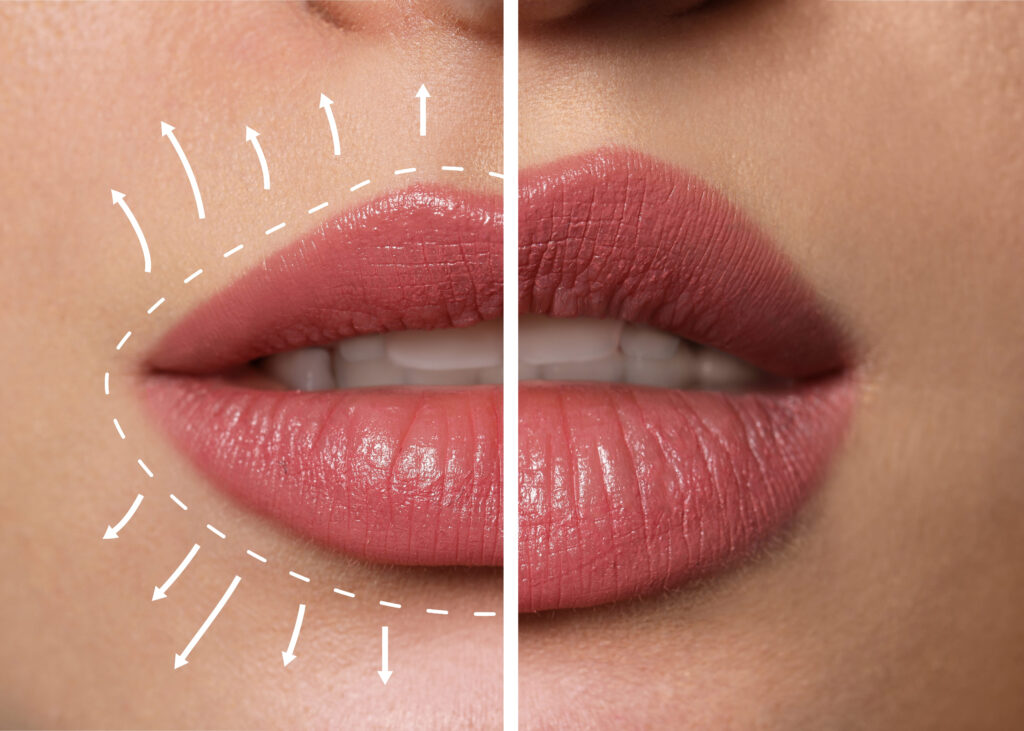
Restylane and Juvederm are the two dominant hyaluronic acid filler brands in the United States, and their pricing overlaps significantly. Most patients will find that both brands fall in the $500 to $1,300 per syringe range, though the specific formula and clinic will determine the final figure.
The more meaningful difference between the two brands is how they feel and behave in the lips. Restylane tends to produce more controlled, defined shaping and is often preferred for patients who want a precise border or natural movement. Juvederm formulas like Volbella and Ultra XC are often described as smoother and slightly fuller-feeling, which suits patients looking for soft, plump volume.
- Restylane: $500 – $1,200 per syringe
- Juvederm: $600 – $1,300 per syringe
For a full side-by-side breakdown, see our guide to Juvederm lip filler cost.
What Affects Restylane Lip Filler Cost?
Several factors determine how much you will actually pay for Restylane at a specific clinic. Two patients booking the same treatment in different cities or with different providers can end up paying very different amounts — and understanding why helps you make a better decision about where to go.
Clinic Location
Clinics in major metropolitan areas — New York, Los Angeles, Miami, Chicago — typically charge 20–40% more than clinics in smaller cities or suburban areas. Higher rent, higher demand, and access to premium injectors all push prices up in larger markets. If you live near a smaller city, it may be worth getting a quote from a reputable clinic there before committing to a higher-priced urban provider.
Injector Experience and Credentials
A board-certified dermatologist or plastic surgeon will typically charge more than a nurse injector or aesthetic therapist. The price difference reflects training, liability, and experience level. For the lips — a highly expressive and sensitive area — paying a premium for an experienced injector is often worth it. Poor placement around the mouth can affect how you smile, speak, or drink, and corrections can be costly.
Product Type and Number of Syringes
Restylane Kysse and Lyft cost more per syringe than classic Restylane or Silk. If your injector recommends two syringes rather than one, your total investment roughly doubles. Some patients are quoted a two-syringe treatment upfront, especially if the goal is significant volume increase or asymmetry correction.
Additional Fees
Always ask whether the quoted price includes the consultation fee, numbing cream, aftercare ointment, and any follow-up appointments. Some clinics bundle these into one price; others charge separately. A slightly higher headline price that includes everything is often better value than a low price with add-ons.
How Long Does Restylane Last in Lips?
Restylane lip fillers generally last between 6 and 12 months, with variation depending on the specific product used, the patient’s metabolism, and how much lip movement they have on a daily basis. The lips are one of the most active areas of the face — constant movement from speaking, smiling, and eating means filler breaks down faster here than in less expressive areas.
Restylane Kysse is specifically formulated for flexible movement and tends to last longer in the lips than classic Restylane — many patients report results lasting up to 12 months with Kysse. Standard Restylane and Silk typically last 6 to 9 months in the lips. Patients who maintain regular appointments often find that results last progressively longer over time as hyaluronic acid builds up in the tissue. For a detailed look at Kysse longevity, see our guide on how long Restylane Kysse lasts.
Is Restylane Worth the Cost?
For most patients with realistic expectations, Restylane is worth the investment. The combination of natural-looking results, multiple formula options, and a reversible treatment makes it one of the most consistently popular lip filler choices in 2026. Restylane is also FDA-approved and backed by decades of clinical use, which gives many patients additional confidence in choosing it over newer or less established alternatives.
The most important factor in getting value from Restylane is choosing the right injector and the right product for your goals. A conservative approach — starting with one syringe, assessing the result after two weeks, and adding more if needed — consistently produces better outcomes than trying to achieve everything in a single aggressive session.
Is Restylane Safe for Lips?
Restylane has a strong safety record when administered by qualified medical professionals. As a hyaluronic acid filler, it is both biocompatible and reversible — meaning it can be dissolved with hyaluronidase if needed, which provides an important safety net that permanent fillers do not offer.
Common short-term effects include swelling, bruising, tenderness, and temporary unevenness during the first one to two weeks of healing. These typically resolve on their own. More serious complications — such as vascular occlusion — are rare but possible with any injectable treatment, which is why injector skill and knowledge of facial anatomy are so important. Always verify that your provider has appropriate medical training and experience with lip injections specifically.
Who Is a Good Candidate for Restylane?
Restylane lip filler is a good option for adults who want fuller lips, improved symmetry, better border definition, or a more hydrated and youthful lip appearance without surgery. It works well for patients who are new to lip filler and want a conservative starting point, as well as for those maintaining an existing result with a repeat treatment.
Restylane may not be appropriate for people with certain autoimmune conditions, active infections near the mouth, or a history of severe allergic reactions to hyaluronic acid products. A thorough consultation with a licensed provider will determine whether you are a good candidate and which formula is most suitable for your anatomy and goals.
Final Thoughts on Restylane Lip Filler Cost
Restylane lip filler cost typically ranges from $500 to $1,200 per syringe, with most patients paying between $600 and $900 for a standard treatment. Restylane Kysse — the most popular lip formula — sits at the upper end of this range at $600 to $1,000, but its natural movement and longer longevity make it the preferred choice for most patients seeking subtle, flexible enhancement in 2026.
The best way to get an accurate cost estimate is to book a consultation with a qualified injector who can assess your lip anatomy, discuss your goals, and recommend the right product and amount. For a broader look at pricing across all lip filler brands and formulas, visit our full lip filler cost guide.
Medical Disclaimer
This content is for informational and educational purposes only and does not replace professional medical advice, diagnosis, or treatment. Always consult a licensed medical provider before receiving Restylane, lip filler, or any cosmetic injectable treatment.
References
- U.S. Food and Drug Administration: Dermal Fillers and Soft Tissue Fillers
- American Academy of Dermatology
- Restylane USA: Official Product Information
How much does 1 syringe of Restylane cost?
A single syringe of Restylane typically costs between $500 and $1,200 in the United States, depending on the clinic location, injector experience, and which Restylane formula is used.
How much does Restylane Kysse cost?
Restylane Kysse usually costs between $600 and $1,000 per syringe. It is priced slightly higher than classic Restylane because of its XpresHAn Technology formula designed for flexible lip movement.
How many syringes of Restylane do I need for lips?
Most patients need 1 to 2 syringes for visible lip enhancement. One syringe is usually enough for a natural first-time result, while two syringes may be needed for more significant volume or asymmetry correction.
Is Restylane cheaper than Juvederm?
Restylane and Juvederm are priced similarly, with both ranging from around $500 to $1,300 per syringe depending on the formula and clinic. Some clinics price Restylane slightly lower, but the difference is rarely significant.
Is Restylane good for natural-looking lips?
Yes. Restylane — especially Kysse — is a popular choice for natural-looking lip enhancement because it provides soft volume, good shape control, and flexible movement during facial expressions.
What are the side effects of Restylane lip filler?
Common side effects include swelling, bruising, tenderness, temporary asymmetry, and mild firmness during the first one to two weeks of healing. These typically resolve on their own.
Is 1 syringe of Restylane enough for first-time patients?
Yes, for most first-time patients 1 syringe of Restylane is enough to create subtle, natural-looking lip enhancement. Starting with one syringe and reassessing after two weeks is the most common and recommended approach.
Can Restylane lip filler be dissolved?
Yes. Restylane is a hyaluronic acid filler and can be dissolved using hyaluronidase if needed. This should always be performed by a qualified medical professional.